
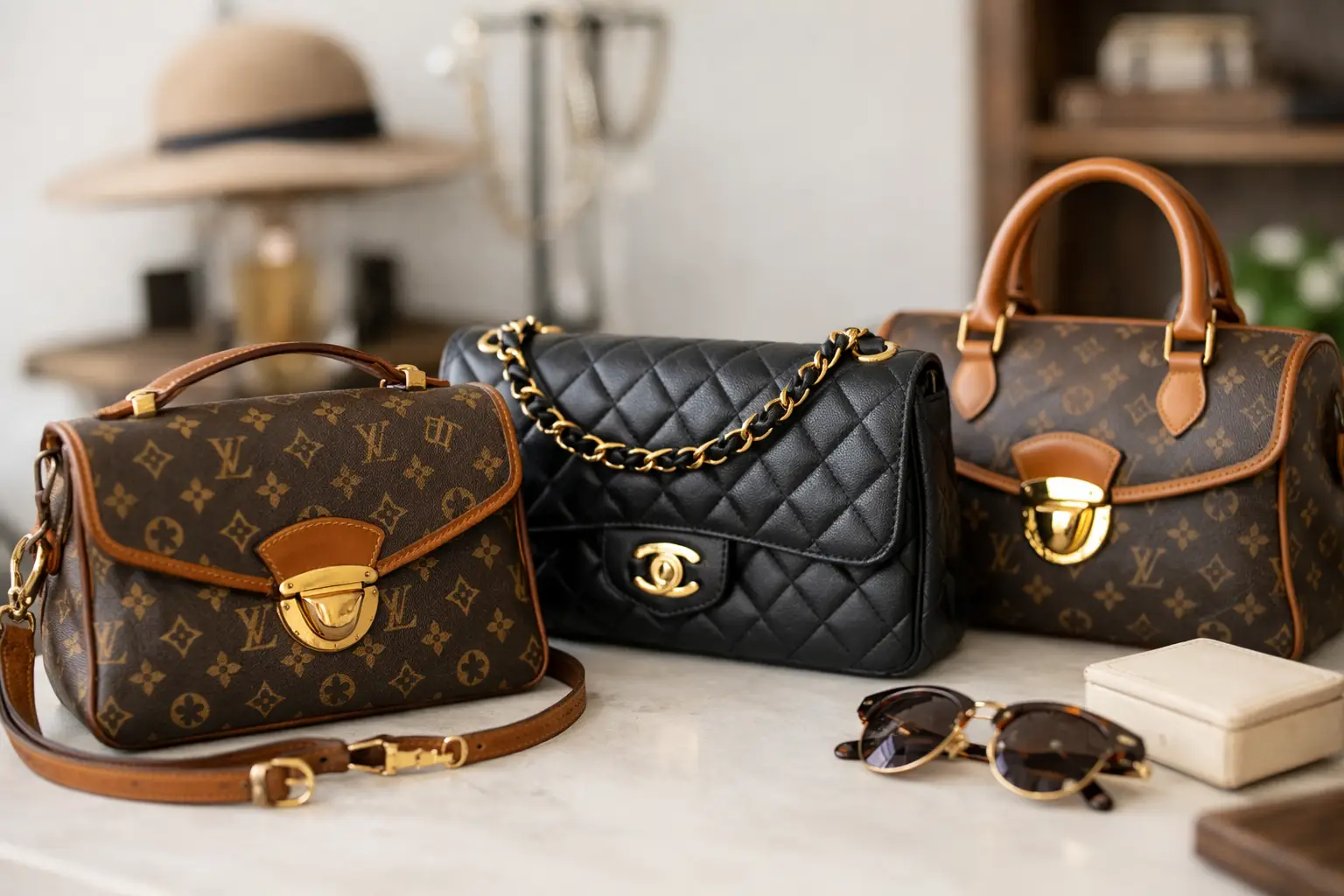
A vintage designer bag can do something a new luxury bag often cannot: bring instant character. The leather has already softened, the hardware has already developed depth, and the silhouette often belongs to a period with a stronger design identity. So, are vintage designer bags worth buying? Often yes – but only when the piece has authenticity, condition, and stylistic staying power working in its favor.
For a buyer with a trained eye, vintage is not simply a cheaper route into luxury. It is a different category altogether. It sits closer to collectible design than to trend-driven fashion, which is exactly why some bags continue to feel relevant long after their original release.
Are Vintage Designer Bags Worth Buying for Style?
If style is the first reason you are considering vintage, the answer is frequently yes. Many older designer bags were produced with stronger proportions, more distinctive hardware, and less dependence on seasonal trends. They were made to be recognized by line, craftsmanship, and material rather than by overt branding alone.
That difference matters. A structured Gucci from the 1970s, a classic Chanel flap from an earlier decade, or a Louis Vuitton piece from a particularly strong period can feel more resolved than many contemporary bags. The design language is often clearer. Details are more intentional. Even signs of age, when elegant rather than excessive, can add visual depth instead of diminishing appeal.
Vintage also offers distance from mass-market sameness. When a bag is no longer in current retail circulation, it becomes less about logo visibility and more about individual selection. For collectors, stylists, and buyers who care about cultivated wardrobes, that shift has real value.
The Real Value of a Vintage Designer Bag
The phrase “worth buying” can mean several things. It may refer to financial value, but just as often it refers to quality, rarity, and the satisfaction of owning something with identity.
Some vintage designer bags do hold value well, and a smaller number appreciate. This is especially true for iconic models from houses with stable resale demand, limited availability, and strong archival appeal. Condition, materials, provenance, and size all influence that equation. Black leather classics with recognizable shapes tend to perform more consistently than experimental seasonal pieces.
Still, not every vintage bag is an investment piece, and it is better to be honest about that. A bag can be worth buying without being a profitable asset. If the construction is excellent, the design remains relevant, and the piece fills a genuine place in your wardrobe, that can be enough.
This is where vintage accessories begin to resemble the logic of collectible interiors. A Murano lamp or a well-chosen Art Deco mirror is not judged only by resale potential. It is valued for presence, authorship, craftsmanship, and atmosphere. A great vintage bag works the same way. It brings aesthetic substance into daily life.
When Vintage Is Better Than Buying New
There are cases where vintage is simply the stronger purchase. One is quality. Many older luxury bags were made with denser leather, more substantial hardware, and construction methods that feel less optimized for scale. Not every past era was superior, but many buyers notice a difference once they handle well-preserved pieces from strong production periods.
Another reason is access. Certain shapes, finishes, and details no longer exist in current collections. If you are drawn to a slimmer profile, equestrian references, kiss-lock closures, exotic skin accents, or more discreet branding, vintage may offer options that contemporary lines do not.
Then there is price positioning. A pre-owned vintage bag can provide access to a major design house at a lower cost than current retail. That does not automatically make it a bargain. Restoration expenses, shipping, taxes, and authentication fees can shift the equation. But in many cases, the buyer is paying for design merit rather than retail theater.
When Vintage Designer Bags Are Not Worth Buying
There are also clear moments when the answer is no. If a bag has compromised structure, active odor, peeling interior lining, severe corner wear, or damaged hardware that affects function, charm will not compensate. Some flaws belong to age; others signal decline.
Vintage is also not the best route for every buyer. If you want perfect condition, warranty coverage, or the exact experience of a current-season purchase, vintage may frustrate you. It requires more discernment and more tolerance for variation.
Impulse is another risk. A buyer may be attracted to the idea of vintage luxury without considering scale, use, or wardrobe compatibility. A beautiful bag that is too small for modern essentials, too delicate for regular wear, or too ornate for your actual style will remain decorative rather than useful.
And then there is the issue of overpaying. Vintage has become more visible, and visibility can inflate mediocre pieces. A known label is not enough. If the design is weak, the condition is poor, or the restoration is clumsy, the bag may not deserve its asking price.
What to Check Before You Buy
Authenticity comes first
Authenticity is non-negotiable. Labels, date codes, serial stickers, stamps, hardware markings, stitching, zipper brands, and lining materials should all align with the house and period. But no single detail should be treated as definitive on its own. The most reliable assessment comes from the whole object – how the materials, proportions, craftsmanship, and wear pattern work together.
This is why curated sourcing matters. A specialist seller with a clear point of view usually offers a better environment than anonymous volume marketplaces. Expertise shows in selection long before it appears in a certificate.
Condition should match the price
A vintage bag does not need to be pristine. In fact, untouched condition can be preferable to aggressive refurbishment. But the wear should feel coherent. Leather should age naturally, corners should not be collapsing, and hardware loss should not disrupt the visual balance of the bag.
Look carefully at the handle bases, strap attachments, interior lining, closure function, and edge paint. These are the areas where hidden problems often appear. If repairs have been done, they should be disclosed and executed with restraint.
Design longevity matters more than hype
If you are buying for long-term use, choose a shape with a settled design language. Box bags, satchels, shoulder bags with balanced proportions, and iconic flap constructions tend to age well stylistically. Extremely trend-specific shapes can still be compelling, but they should be bought for personal pleasure rather than presumed future demand.
A useful question is simple: would this bag still feel considered if the logo were less visible? If the answer is yes, you are likely looking at a stronger design.
Are Vintage Designer Bags Worth Buying as an Investment?
Sometimes, but that should not be the only reason to buy.
The bags most likely to retain or increase value usually belong to established luxury houses, iconic models, and materials with consistent collector demand. Size can matter. So can color. Classic black, neutrals, and highly recognizable signatures tend to be easier to place later than unusual novelty versions.
Yet the market is not perfectly rational. Condition can shift value dramatically. So can changing taste. A bag bought at the top of a resale wave may not perform well in the short term. For that reason, the safest approach is to buy pieces you would be pleased to keep.
This is especially true for buyers who approach vintage through a broader design sensibility. If you already value objects for line, workmanship, rarity, and cultural context, you are less likely to make purely speculative mistakes.
The Best Buyer for Vintage Luxury Bags
The ideal buyer is not necessarily a reseller. It is someone who recognizes nuance.
Vintage designer bags reward people who notice proportions, patina, and period character. They make sense for wardrobes built slowly, for buyers who prefer distinction over novelty, and for anyone who enjoys owning fewer things with more presence. They are also a natural fit for collectors whose taste extends beyond fashion into interiors, decorative arts, and historical design.
That sensibility is increasingly relevant. The most compelling luxury purchases today are often the ones that feel selected rather than merely acquired. A well-sourced vintage bag communicates exactly that.
Sound Of Vintage Italy approaches vintage through this lens: not as nostalgia, and not as trend, but as a category of objects with aesthetic permanence and collectible appeal.
A More Useful Way to Decide
Instead of asking whether vintage is always worth it, ask whether a specific bag is worth it. Does it have authenticity? Does the condition support the price? Does the design still feel convincing? Will you use it, or at least value living with it? Those questions lead to better decisions than label alone.
The best vintage designer bags are worth buying because they offer more than access to luxury. They offer authorship, material presence, and a sense of selection that new retail often lacks. If you choose carefully, the bag will not just complete an outfit. It will carry its own point of view.